The first time many people hear the phrase “blood clot”, it’s usually in a group chat, a comment section, or after someone posts about a sudden hospital visit. You’re scrolling, half-paying attention, and then you see it: “they thought it was a blood clot.” That moment makes you pause. Your leg felt weird last week. Your chest felt tight once.
Suddenly, you’re wondering what a blood clot actually feels like and if you’d even know. That curiosity is normal. Online conversations have made health terms more common, and knowing what’s serious (and what’s not) can help you stay calm and informed.
Quick Answer: A blood clot often feels like pain, swelling, warmth, or tightness in one area of the body, and the feeling can range from dull and achy to sharp and sudden depending on where the clot is.
What does a blood clot feel like (plain English meaning)
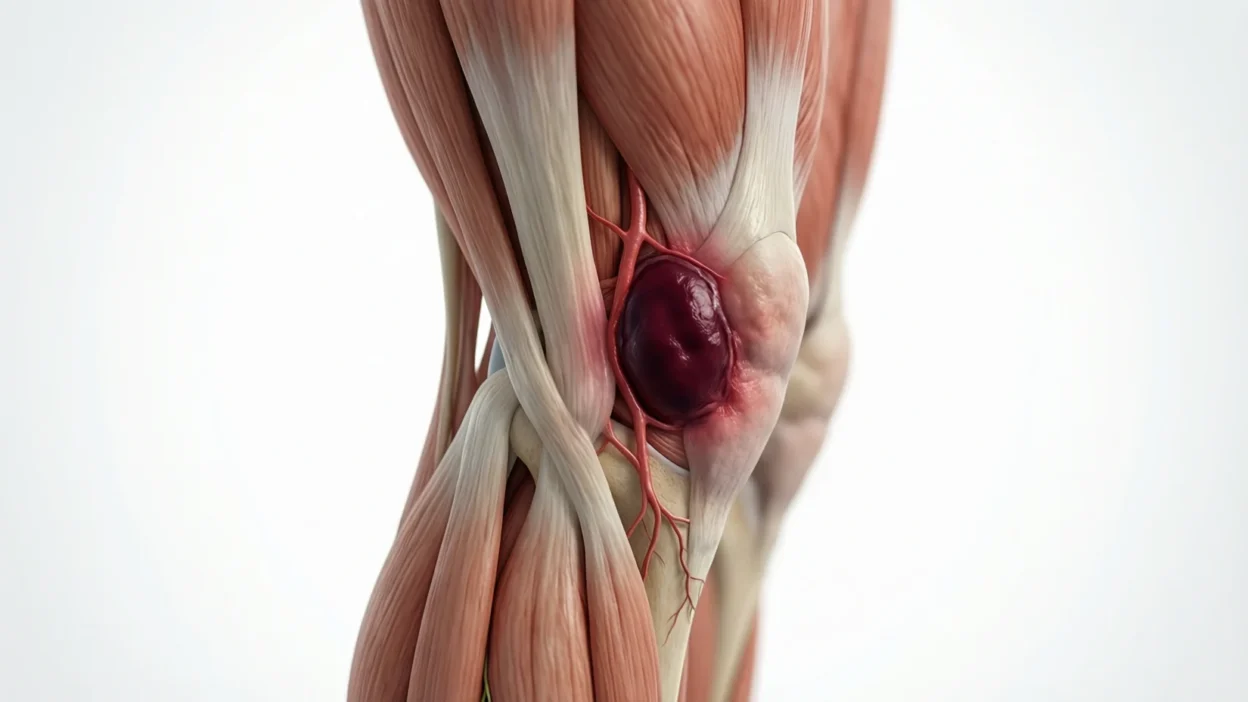
A blood clot is a thick clump of blood that forms when blood changes from liquid to gel. This is normal when you get a cut. But when a clot forms inside a vein or artery and doesn’t dissolve, it can cause problems.
There is no “full form” like a texting abbreviation. Instead, doctors use terms like DVT (deep vein thrombosis) or PE (pulmonary embolism) to describe where the clot is.
People often ask what does a blood clot feel like because the symptoms can be sneaky. It doesn’t always feel dramatic. Sometimes it feels like a sore muscle or mild pressure, which is why people talk about it so much online.
Example sentence:
“my calf feels sore and warm, and now i’m worried it could be a blood clot.”
Bold summary: A blood clot usually feels like unusual pain, swelling, warmth, or pressure that doesn’t feel normal for your body.
What does a blood clot feel like in different parts of the body
The feeling changes based on where the clot forms. This is why the experience can be confusing.
In the leg or arm (DVT)
This is the most common type people talk about online.
It may feel like:
- deep aching pain
- swelling on one side
- warmth to the touch
- redness or skin that looks darker
Many people say it feels like a bad muscle cramp that won’t go away.
In the lungs (pulmonary embolism)
This is more serious and often talked about in urgent posts or stories.
It may feel like:
- sudden shortness of breath
- sharp chest pain (worse when breathing in)
- fast heartbeat
- coughing, sometimes with blood
This feeling is usually intense and scary.
In the brain (stroke related clot)
People don’t usually describe this as pain.
It may feel like:
- sudden weakness on one side
- numbness in the face or arm
- trouble speaking
- confusion or dizziness
In the abdomen
Less common, but still possible.
It may feel like:
- severe stomach pain
- nausea or bloating
- pain that feels “out of place”
Where this phrase is commonly used online
The phrase “what does a blood clot feel like” shows up everywhere online, especially in casual health conversations.
You’ll see it in:
- google searches late at night
- tiktok health videos
- reddit threads
- instagram comments
- group chats and dms
- online forums
The tone is usually casual to concerned, not formal. People aren’t joking. They’re asking because they’re unsure and want reassurance or advice from others.
It’s rarely used in gaming chats or memes, and it’s not slang. It’s a real health question used in everyday digital communication.
Realistic conversation examples (online style)
Here are realistic examples written in a natural, modern texting tone:
- “my leg feels tight and warm, what does a blood clot feel like?”
- “i googled my symptoms and now i’m freaking out about a blood clot”
- “does a blood clot hurt all the time or come and go?”
- “my calf is swollen and i didn’t work out, should i worry?”
- “people keep saying trust your gut with clots”
- “this pain feels deeper than a muscle pull”
- “i ignored it for days thinking it was nothing”
- “health tiktok made me anxious about blood clots”
- “is it normal to feel pressure instead of pain?”
When to use and when not to use this term
Do use it when:
- you’re describing unusual physical symptoms
- you’re asking for general awareness
- you’re encouraging someone to get checked
- you’re sharing a real experience
Don’t use it when:
- joking about random pain
- diagnosing someone seriously online
- spreading fear without facts
- replacing real medical advice
Quick comparison table
| context | example phrase | why it works / doesn’t |
|---|---|---|
| casual concern | “what does a blood clot feel like?” | shows uncertainty and curiosity |
| joking tone | “lol probably a blood clot” | minimizes a serious issue |
| sharing experience | “doctor ruled out a clot” | informative and responsible |
| diagnosing others | “you definitely have one” | unsafe and misleading |
Similar terms or alternatives you might see
While not slang, people often use related phrases in online chats.
- dvt (deep vein thrombosis) a clot usually in the leg or arm
- pulmonary embolism (pe) a clot that travels to the lungs
- circulation issue vague term people use when unsure
- leg cramp often confused with clot symptoms
- muscle strain common alternative explanation
- nerve pain another reason pain may feel sharp or odd
These terms are often used when people are comparing symptoms or trying to explain what they feel without medical language.
FAQs about what a blood clot feels like
Is a blood clot always painful?
No. Some clots cause mild discomfort or pressure rather than sharp pain.
Can a blood clot feel like a pulled muscle?
Yes. This is why many people ignore early signs.
Does a blood clot hurt more when touched?
Often yes, especially with swelling or warmth in one area.
Can young people get blood clots?
Yes. Age doesn’t fully protect you, especially with risk factors.
Is tingling a sign of a blood clot?
It can be, but tingling is more often nerve-related.
Should i google my symptoms?
It’s okay for awareness, but real symptoms should be checked by a professional.
Why do people talk about blood clots so much online?
Because awareness has increased through social media and shared experiences.
Final Thought
So, what does a blood clot feel like? There’s no single feeling. It can be pain, pressure, warmth, swelling, or something that just feels off. In today’s texting culture and online chats, people talk about health more openly, which helps spread awareness but it also creates confusion.
Knowing the common sensations and using the term responsibly can help you stay informed without panicking. When something doesn’t feel normal, listening to your body matters more than guessing in a comment section.