You’re scrolling through social media or a group chat when someone drops a message like, “does this look like a tick bite?” Suddenly, you’re zooming in, comparing it to your own skin, and wondering how something so tiny could cause so much stress.
For many people, the first time they seriously think about what does a tick bite look like is after seeing a photo online, reading a comment, or hearing a story from a friend who went hiking or found a tick on their pet. One small red spot can raise a lot of questions. Is it harmless? Is it dangerous? Or is it something else entirely? This guide breaks it all down in a simple, calm, and easy to understand way.
Quick Answer:
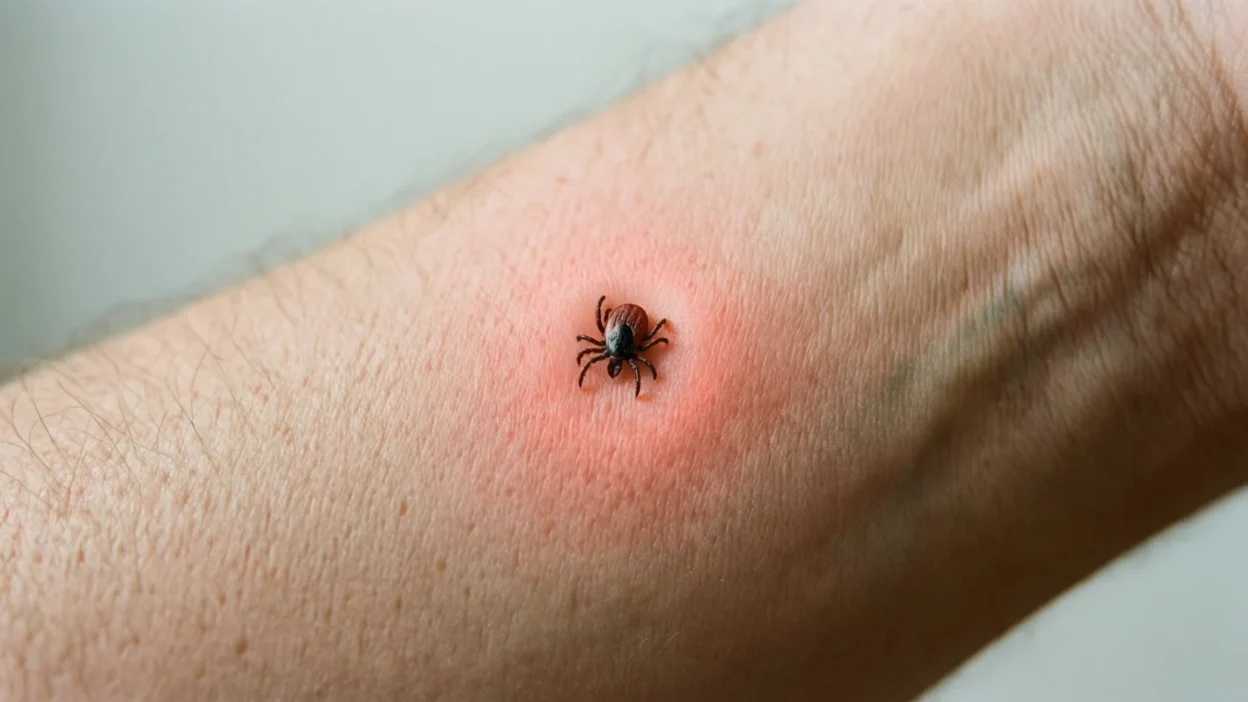
A tick bite usually looks like a small red bump on the skin, sometimes with a dark center, and in some cases it may slowly turn into a larger rash or a bull’s eye shape.
What does a tick bite look like (clear explanation)
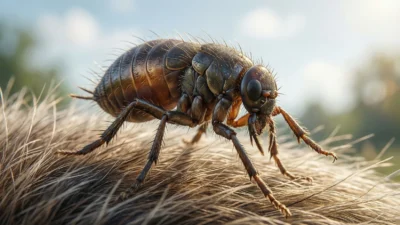
A tick bite happens when a tick attaches itself to the skin and feeds on blood. Unlike many other insects, ticks don’t usually bite and leave right away. They often stay attached for hours or even days, which affects how the bite looks.
At first, a tick bite may not seem like much at all.
Common early signs include:
- a small red bump
- slight swelling
- a tiny dark dot in the center
- little to no itching or pain
Because ticks release a numbing substance, many people don’t feel the bite when it happens. This is why tick bites are often discovered later, during a shower or skin check.
One-line summary: A tick bite often starts as a small red spot with minimal discomfort and may change slowly over time.
How a tick bite can change over time
Tick bites don’t always stay the same. What you see on day one may look different a week later.
Early stage (first 1–2 days)
- small red bump
- firm to the touch
- no strong itch
Middle stage (days to a week)
- redness may spread slightly
- skin may feel warm
- center may darken or scab
Later stage (1–3 weeks)
- bite may fade
- or develop a larger rash
- in some cases, a bull’s eye pattern appears
Not everyone experiences all stages, and many bites heal without any issues.
The bull’s eye rash explained simply
One of the most searched concerns related to what does a tick bite look like is the bull’s-eye rash.
This rash:
- looks like a red circle
- has clearer skin in the middle
- slowly expands outward
It is often linked to Lyme disease, but it’s important to know:
- not all tick bites cause Lyme
- not all Lyme cases have a bull’s eye rash
If you notice a rash that keeps growing over days, that’s when medical advice is important.
Where tick bites are commonly found on the body
Ticks prefer warm, hidden areas. After outdoor activity, these spots deserve extra attention:
- behind the knees
- under arms
- around the waist
- groin area
- scalp and hairline
- behind ears
- between toes
Because ticks crawl before attaching, the bite may appear far from where you expect.
Tone note: discussions about tick bites are usually neutral and informational, often shared casually in texts, forums, or social media posts.
Realistic conversation examples (modern chat style)
Here are natural, lowercase examples people use online:
- “does this look like a tick bite or just a bug bite?”
- “found a weird red spot after hiking yesterday”
- “it’s not itchy but it hasn’t gone away”
- “pulled a tick off and now my skin looks like this”
- “how do you tell if it’s a tick bite?”
- “this doesn’t look like a mosquito bite at all”
- “my dog had ticks and now i’m unreasonable”
- “should i be worried about this mark?”
- “google says tick bite and now i’m stressed”
When to take a tick bite seriously (and when not to)
Most tick bites are harmless, but some need attention.
✅ Do:
- clean the area with soap and water
- watch for changes over 1–3 weeks
- track size or color changes
- see a doctor if symptoms appear
❌ Don’t:
- panic immediately
- ignore a spreading rash
- assume no pain means no risk
- wait if flu-like symptoms start
Quick comparison table
| context | example phrase | why it works or doesn’t |
|---|---|---|
| low concern | small red bump fading | normal reaction |
| watch closely | redness slowly spreading | needs monitoring |
| medical concern | bull’s-eye rash | possible lyme sign |
| likely not tick | itchy welt gone in hours | mosquito like |
Tick bite vs other common bites
Many people confuse tick bites with other insect bites.
- Mosquito bites: itchy, soft, fast-healing
- Flea bites: small clusters, very itchy
- Spider bites: painful, sometimes blistered
- Tick bites: firm, slow-changing, often painless
A bite that doesn’t itch and sticks around longer is more likely to be from a tick.
FAQ: common questions people ask
1. Does a tick bite always itch?
No. Many tick bites don’t itch at all.
2. How long does a tick bite last?
Simple bites may fade in days. Others last weeks.
3. Do all tick bites cause Lyme disease?
No. Most tick bites do not cause Lyme disease.
4. What if I removed the tick quickly?
Quick removal greatly lowers infection risk.
5. Can a tick bite look like a pimple?
Yes. Early tick bites often resemble pimples.
6. Should I see a doctor right away?
Only if symptoms appear or a rash spreads.
7. Is it normal to talk about tick bites online?
Yes. The topic is commonly discussed in a casual, informational tone.
Final thought
Knowing what does a tick bite look like helps you react calmly instead of panicking. Most bites are minor, but understanding how they appear and change over time makes it easier to know when to watch and when to act. Awareness is the real protection.