
The first time most people hear the word tick, it’s usually in a random moment. Maybe a friend texts you, “check your dog, i found a tick 😬,” or you see a viral post warning about ticks after a hike. At first, you might picture a tiny bug, but you’re not really sure what it actually looks like. Is it like a flea? A spider? Or something else entirely?
That confusion is totally normal. Ticks are small, sneaky, and easy to miss yet they matter a lot for health and safety. This guide breaks it all down in a simple, friendly way so you know exactly what to look for.
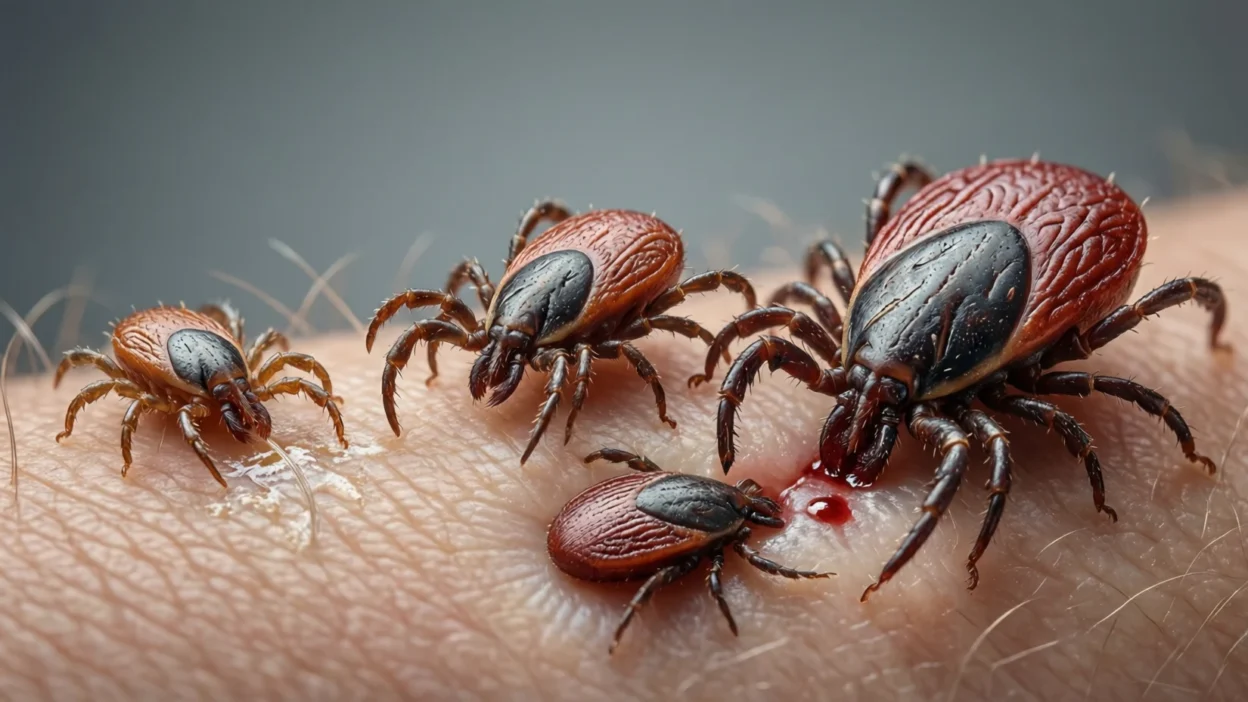
Quick Answer: A tick is a small, oval shaped bug with eight legs that ranges from tiny like a poppy seed to about the size of a pencil eraser, often brown, black, or reddish in color.
What Does a Tick Look Like?
A tick is a small parasite that feeds on blood from humans and animals. It’s not an insect like a mosquito. Instead, it’s related to spiders and mites.
Here’s what makes a tick easy (and sometimes hard) to recognize:
- Body shape: flat and oval before feeding
- Legs: eight legs (not six like insects)
- Size: very tiny when young, larger after feeding
- Color: brown, black, reddish brown, or gray
Ticks change how they look depending on whether they’ve fed. Before feeding, they are flat and hard to see. After feeding, they swell up and look round and bloated.
Example sentence:
“i thought it was dirt, but when it moved, i realized it was a tick.”
Bold summary: A tick is a small, eight legged, oval shaped bug that can grow larger after feeding on blood.
Size Matters: How Big Is a Tick?
One reason people ask what does a tick look like is because ticks come in different sizes.
- Larva: about the size of a grain of sand
- Nymph: about the size of a poppy seed
- Adult: about the size of a sesame seed or pencil eraser
After feeding, an adult tick can swell up to two or three times its normal size, making it much easier to spot.
This size change is why many people miss ticks at first. Small ticks can hide in plain sight.
Common Tick Colors and Patterns
Ticks don’t all look the same. Their color depends on the species and whether they’ve fed.
- Dark brown or black: very common
- Reddish-brown: often seen in dog ticks
- Gray or bluish: usually a sign the tick is full of blood
- Spotted or patterned: some ticks have light markings on their backs
Even with color differences, most ticks still have that flat, rounded body and eight legs.
Where Ticks Are Commonly Found
Ticks don’t fly or jump. They crawl and wait.
You’re most likely to see ticks in:
- grassy areas
- wooded trails
- bushes and tall plants
- on pets like dogs and cats
- on clothing after outdoor activities
They often attach to warm, hidden spots like behind knees, under arms, around the waist, or along the hairline.
Tone of usage: This term is neutral and practical, commonly used in health, outdoor, pet-care, and safety conversations.
How Ticks Look on Skin vs. Off Skin
This is where many people get confused.
On skin:
- looks like a small dark bump
- may resemble a mole or scab
- legs may be hard to see at first
Off skin:
- legs are more visible
- body shape is clearer
- may crawl slowly
If the tick has been feeding, it will look rounder and swollen, sometimes grayish.
Realistic Conversation Examples (Modern Chat Style)
- “i found a tick on my dog and freaked out for a second”
- “is this a tick or just dirt? it’s tiny”
- “ticks are way smaller than i expected”
- “it looked like a mole but then it moved 😭”
- “check your socks, ticks love tall grass”
- “i didn’t know ticks had eight legs until today”
- “after hiking once, i check for ticks every time”
- “that wasn’t a bug bite, it was an actual tick”
When to Use and When Not to Use the Term
✅ When to Use “Tick”
- talking about outdoor safety
- discussing pets or animals
- sharing health or hiking tips
- asking for identification help
❌ When Not to Use It
- as slang or humor in serious health situations
- when unsure and guessing without checking
- to describe insects like fleas or lice
Quick Comparison Table
| context | example phrase | why it works / doesn’t |
| health advice | “check for ticks after hiking” | clear and accurate |
| pet care | “my dog had a tick” | correct usage |
| guessing | “any small bug is a tick” | misleading |
| jokes | “that tick ruined my life lol” | not appropriate |
Similar Bugs People Confuse with Ticks
Many people search what does a tick look like because ticks are often mistaken for other bugs.
- Fleas: smaller, jump, usually black
- Bed bugs: flatter, red-brown, found indoors
- Mites: extremely tiny, often invisible
- Spiders: larger body separation, longer legs
Key difference: Ticks attach and stay in one place while feeding.
Frequently Asked Questions (FAQ)
1. Are ticks visible to the naked eye?
Yes, most ticks are visible, but young ticks can be extremely small and easy to miss.
2. Do ticks always bite?
Ticks attach to feed on blood, but not every tick you see has bitten yet.
3. Are ticks only found outdoors?
Mostly yes, but they can be brought indoors on pets or clothing.
4. What color are ticks?
They can be brown, black, reddish, gray, or patterned, depending on the type.
5. Do ticks look like scabs?
Yes, especially when attached. That’s why people sometimes don’t notice them right away.
6. Can ticks move?
Yes, they crawl slowly but do not fly or jump.
7. Are ticks dangerous?
Some ticks can carry diseases, which is why quick identification matters.
Final Thought
So, what does a tick look like? In simple terms, it’s a small, eight legged, oval shaped bug that can be tiny or swollen depending on whether it has fed.
Knowing how to recognize a tick helps you protect yourself, your family, and your pets. In today’s outdoor loving and social media sharing world, understanding ticks isn’t just useful it’s essential.