The first time many people notice an upside down cross, it’s usually unexpected. Maybe it shows up in a comment section, a music video, a gamer’s username, or a random post on social media. You pause and think, wait isn’t that bad? Some people instantly link it to something dark, while others say it has a totally different meaning.
That confusion is exactly why this symbol keeps getting searched, shared, and misunderstood online. In today’s fast-moving texting culture and social media world, symbols spread fast but context often gets lost. Let’s slow things down and explain it in simple, clear language so you know what it really means.
Quick Answer:
An upside down cross can mean humility and faith in Christianity, but in modern pop culture it’s often used as a symbol of rebellion, shock, or anti-religious expression depending on context.
What Does an Upside Down Cross Mean in Simple Terms?
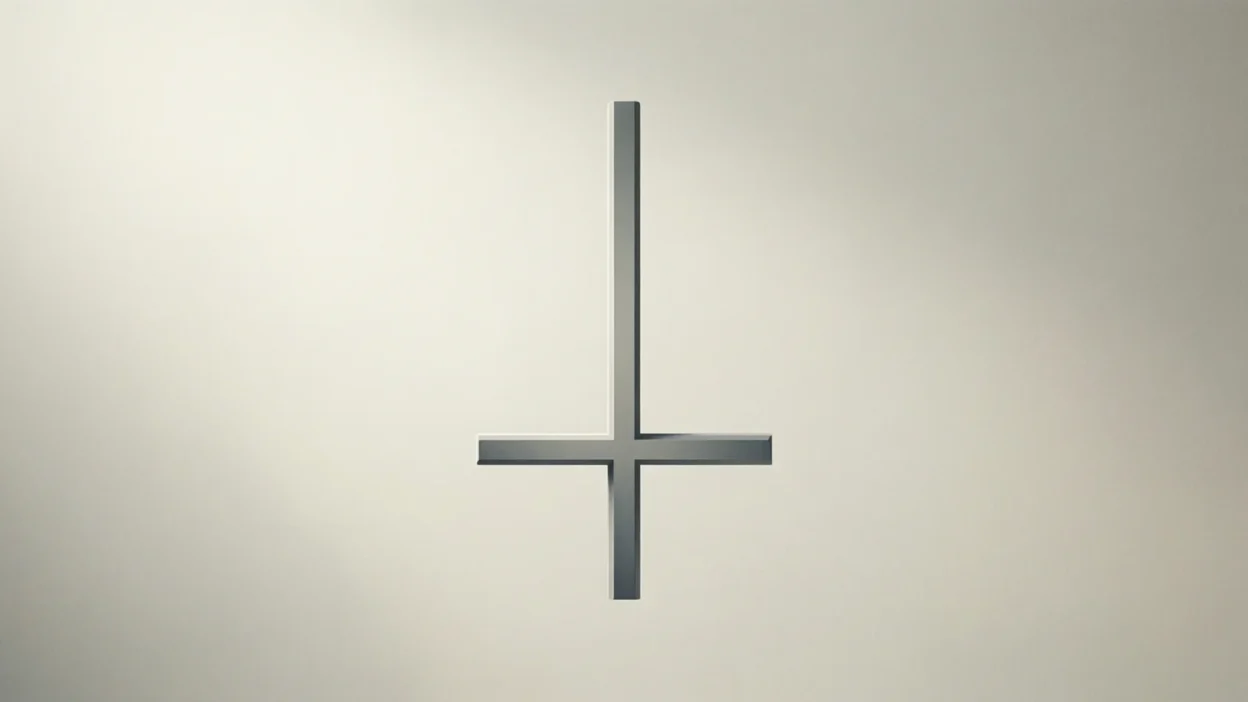
An upside down cross is also known as the Cross of Saint Peter. There is no full form because it’s a symbol, not a texting abbreviation.
In plain English, the meaning depends on how and where it’s used.
Historically, the upside down cross represents humility and devotion. Saint Peter, one of Jesus’s closest followers, was crucified upside down because he felt unworthy to die the same way as Jesus.
However, in modern online culture, the meaning has shifted. Many people now use it to look edgy, rebellious, or controversial. Some use it to shock others or push against religious norms.
Example sentence:
“he posted an upside down cross emoji to look edgy, not because of religion.”
Bold summary:
An upside down cross can mean humility in Christianity or rebellion in modern online culture, depending on context.
Where Is the Upside Down Cross Commonly Used?
You’ll see this symbol across many online spaces, especially where visual expression matters more than explanation.
Common places include:
- Social media posts (instagram, tiktok, x)
- Comments and replies
- DMs and private chats
- Music videos and album art
- Gaming usernames or avatars
- Online forums and meme pages
The tone is usually casual or informal, but it can also be provocative. It is rarely formal and almost never used in professional communication.
In religious settings, it may be neutral or respectful. In pop culture, it’s often edgy or symbolic, not deeply thought out.
Realistic Conversation Examples (Modern Text Style)
Here are some realistic ways the upside down cross shows up in chats. These are written in a natural, lowercase texting style.
- “why does his bio have an upside down cross?”
- “i think it’s just for the aesthetic tbh”
- “isn’t that symbol actually religious?”
- “yeah but ppl online use it differently now”
- “he’s trying to look edgy, that’s all”
- “i saw it in a music video yesterday”
- “some ppl think it’s offensive tho”
- “context matters, not everyone means the same thing”
These examples show how confusion and context always come into play.
When to Use and When Not to Use an Upside Down Cross
Because this symbol has multiple meanings, it’s important to be careful.
✅ When It’s Okay to Use
- When discussing history or religion
- In art, fashion, or music with clear context
- When you understand how your audience may react
- In conversations about symbolism or culture
❌ When to Avoid Using It
- In professional or work-related chats
- Around people who may find it offensive
- Without understanding its meaning
- Just to provoke or upset others
Comparison Table
| Context | Example Phrase | Why It Works or Doesn’t |
| history discussion | “the upside down cross is linked to saint peter” | works because it’s factual |
| music aesthetic | “the artist uses it for shock value” | works with cultural context |
| work email | “added an upside down cross design” | doesn’t work, unprofessional |
| casual chat | “he uses it to look edgy” | works in informal chat |
Similar Symbols or Alternatives You Might See
People often confuse or group the upside down cross with other symbols. Here’s how they differ.
| Symbol / Term | Meaning | When It’s Used |
| cross | christian faith | religion, churches |
| upside down cross | humility or rebellion | religion or pop culture |
| pentagram | spirituality or shock | music, art, aesthetics |
| skull emoji 💀 | humor or death joke | casual texting |
| broken cross | rejection symbolism | art or protest |
Each symbol has its own meaning, even if people mix them up online.
Frequently Asked Questions (FAQ)
1. Is an upside down cross always evil?
No. Historically, it is a Christian symbol of humility, not evil.
2. Why do people think it’s satanic?
Because modern media and pop culture often use it to shock or rebel, which changed public perception.
3. Is it offensive to use online?
It can be, depending on the audience and context. Some people find it disrespectful.
4. Do young people use it differently?
Yes. Many younger users see it as an aesthetic or edgy symbol, not religious.
5. Is it common in texting or DMs?
It appears more in bios, usernames, images, and posts than regular text messages.
6. Should I ask before assuming the meaning?
Absolutely. Context matters, and assumptions can cause misunderstandings.
Why Context Matters in Texting Culture
In modern texting culture and social media slang, symbols often lose their original meaning. People use visuals to express mood, identity, or style not history.
That’s why the upside down cross can mean very different things to different people. One person sees faith. Another sees rebellion. Another just likes the look.
Understanding online chat meaning helps avoid confusion and unnecessary conflict.
Final Thought
So, what does an upside down cross mean? The answer isn’t one size all. Historically, it represents humility and devotion. In today’s digital world, it often signals rebellion, shock value, or aesthetic expression.
Knowing the context, platform, and audience makes all the difference. In modern digital communication, symbols speak loudly but only when we understand what they’re really saying.