The first time I saw someone reply “cap” to a message, I was confused. A friend claimed something wild in a group chat, and another person instantly replied, “cap.” No explanation. No emojis. Just that one word. At first, I thought they were talking about a hat.
But the reactions told a different story. Everyone laughed, the claim was dropped, and the conversation moved on. Later, I saw “no cap” everywhere tweets, TikTok captions, comments. That’s when I realized this wasn’t random slang. It was a shortcut people use online to call out lies or hype. If you’ve wondered what it really means, you’re in the right place.
Quick Answer: Cap means someone is lying, exaggerating, or not telling the truth in a casual online conversation.
What Does Cap Mean in Text?
In texting and online chat, cap is slang that means “that’s not true” or “you’re lying.” It does not stand for a full form or abbreviation. It’s just a slang word that grew popular through social media and hip hop culture.
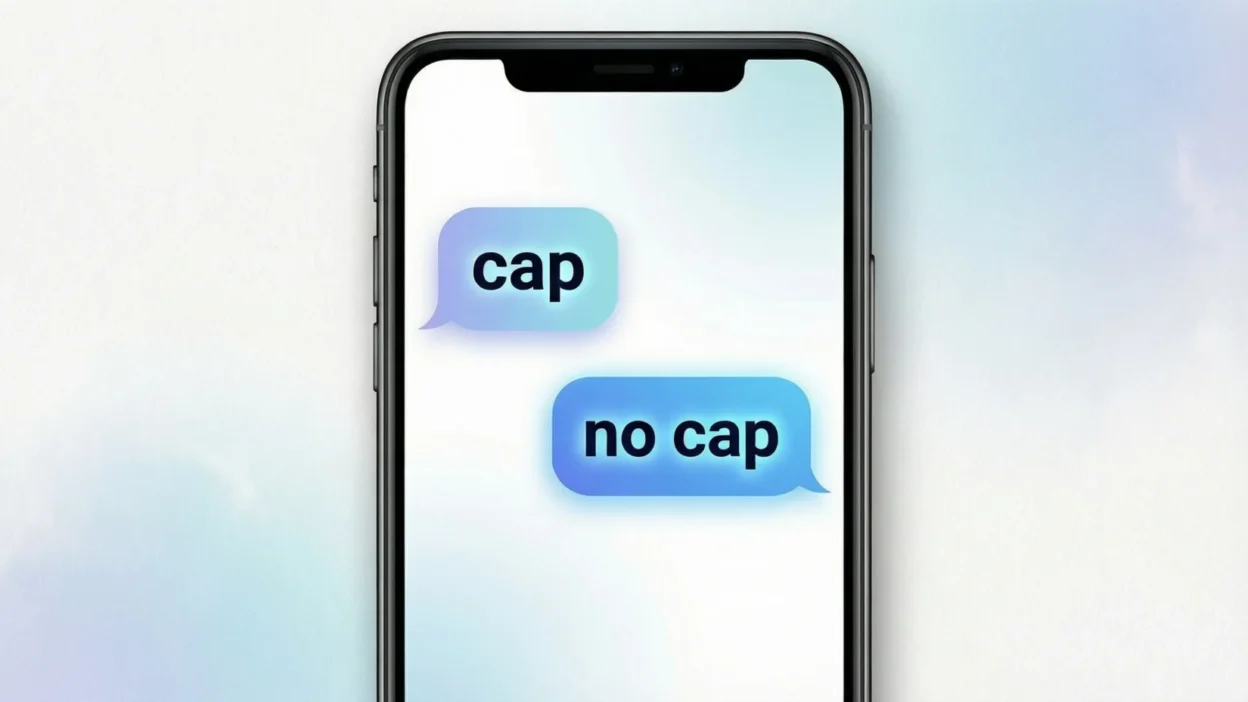
In plain English, when someone says “cap,” they are calling out a statement they believe is fake, exaggerated, or made up. When someone says “no cap,” they mean the opposite: “I’m telling the truth.”
People use cap because it’s:
- Short and quick
- Easy to understand in context
- Casual and expressive
- Perfect for fast moving chats
Example sentence:
“you really finished that in 5 minutes? cap.”
Bold summary: Cap means a lie or exaggeration, while “no cap” means the truth.
Where Is the Term Cap Commonly Used?
The word cap is deeply rooted in informal digital spaces. You’ll rarely see it in formal writing, emails, or professional conversations.
Common places where cap is used include:
- Text messages between friends
- Social media platforms like TikTok, Instagram, X (Twitter)
- Comments sections and reply threads
- DMs and private chats
- Gaming chats and live streams
- Online forums and meme pages
The tone is almost always casual and informal. It’s playful most of the time, but it can sound dismissive if used the wrong way.
Realistic Conversation Examples Using “Cap”
Here are some natural, modern chat-style examples written the way people actually text online:
- “you said you woke up at 5am? cap.”
- “that story sounds like cap tbh”
- “no cap, this is the best pizza i’ve had”
- “bro claims he never missed a class. cap.”
- “cap or did that really happen?”
- “that score is cap, show proof”
- “no cap i’m actually tired today”
- “he always says that, pure cap”
- “wait fr? or is this cap?”
These examples show how flexible the word is in everyday texting culture.
When to Use and When Not to Use Cap
Using cap at the right time matters. It can be fun and casual, but it can also come off as rude if misused.
✅ Do Use Cap When:
- Chatting with friends or peers
- Joking around in group chats
- Responding to exaggerated claims
- Commenting casually on social media
- Playing games or watching streams
❌ Don’t Use Cap When:
- Talking to your boss or coworkers
- Writing emails or formal messages
- Speaking to people unfamiliar with slang
- In serious or emotional conversations
- When clarity and respect matter
Quick Comparison Table
| Context | Example Phrase | Why It Works / Doesn’t |
|---|---|---|
| friend chat | “nah that’s cap” | casual and understood |
| social media | “no cap this went hard” | fits slang tone |
| gaming chat | “that damage is cap” | common usage |
| work email | “that report is cap” | unprofessional |
| serious talk | “your feelings are cap” | disrespectful |
Similar Slang Words or Alternatives
If you don’t want to use cap, or you’re talking to someone who may not understand it, here are some common alternatives and what they mean:
| Word / Phrase | Meaning | When to Use |
|---|---|---|
| lie | not true | neutral or formal |
| fake | made up or false | casual |
| not true | incorrect | clear and direct |
| exaggeration | overstated | neutral |
| no way | disbelief | informal |
| for real | asking if true | casual |
| honestly | stressing truth | informal |
Each option changes the tone. Cap is the most casual and slang-heavy.
Why Cap Became So Popular Online
The rise of cap is closely tied to texting culture and social media slang. People want fast ways to react without typing full sentences.
Instead of saying:
“I don’t believe that’s true.”
People just say:
“cap.”
It saves time and adds personality. Platforms like TikTok and Twitter helped spread it quickly, especially with phrases like “no cap” becoming memes.
Common Misunderstandings About Cap
Some people misunderstand cap in a few ways:
- Thinking it means “hat” in every context
- Assuming it’s an acronym (it’s not)
- Using it in serious conversations
- Believing it’s rude all the time
The key is context. Among friends, it’s normal. In formal spaces, it doesn’t fit.
Frequently Asked Questions About What Does Cap Mean
1. Is cap an abbreviation?
No. Cap is slang, not a shortened phrase or acronym.
2. What does “no cap” mean?
No cap means no lie or I’m being honest.
3. Is cap rude?
It can be if used in serious situations, but among friends it’s usually playful.
4. Who uses the word cap the most?
Mostly teens and young adults, especially active social media users.
5. Can cap be used on social media?
Yes. It’s very common in comments, captions, and replies.
6. Is cap formal or informal?
It’s informal and should stay that way.
7. Can cap be misunderstood?
Yes, especially by people unfamiliar with modern slang.
How Cap Fits Into Modern Digital Communication
In today’s online world, messages are short, fast, and expressive. Words like cap help people react instantly without explaining too much.
It’s part of a larger trend where slang replaces full sentences. Knowing these terms helps you understand conversations, jokes, and tone better—especially in social media and informal chat spaces.
Final Thought
So, what does cap mean? In simple terms, it’s a quick way to say something isn’t true. It’s casual, slang based, and rooted in modern texting culture. Used correctly, it adds humor and personality to conversations.
Used incorrectly, it can confuse or offend. Understanding when and where to use cap helps you communicate more naturally in today’s digital world.