The first time many people see the letters CPR, it’s not in a classroom or a hospital. It might be in a group chat after someone shares a scary video, in a news headline scrolling past on social media, or in a comment like, “does anyone there know cpr?”
You pause for a second and think, I’ve heard this before but what does it actually stand for? That quick moment of curiosity is common, especially in today’s fast moving texting culture where short forms and abbreviations are everywhere. Let’s break it down in a simple, clear way so it finally clicks.
Quick Answer: CPR stands for Cardiopulmonary Resuscitation, a lifesaving emergency procedure used when someone’s heart or breathing stops.
What Does CPR Mean? (Full Form Explained Simply)
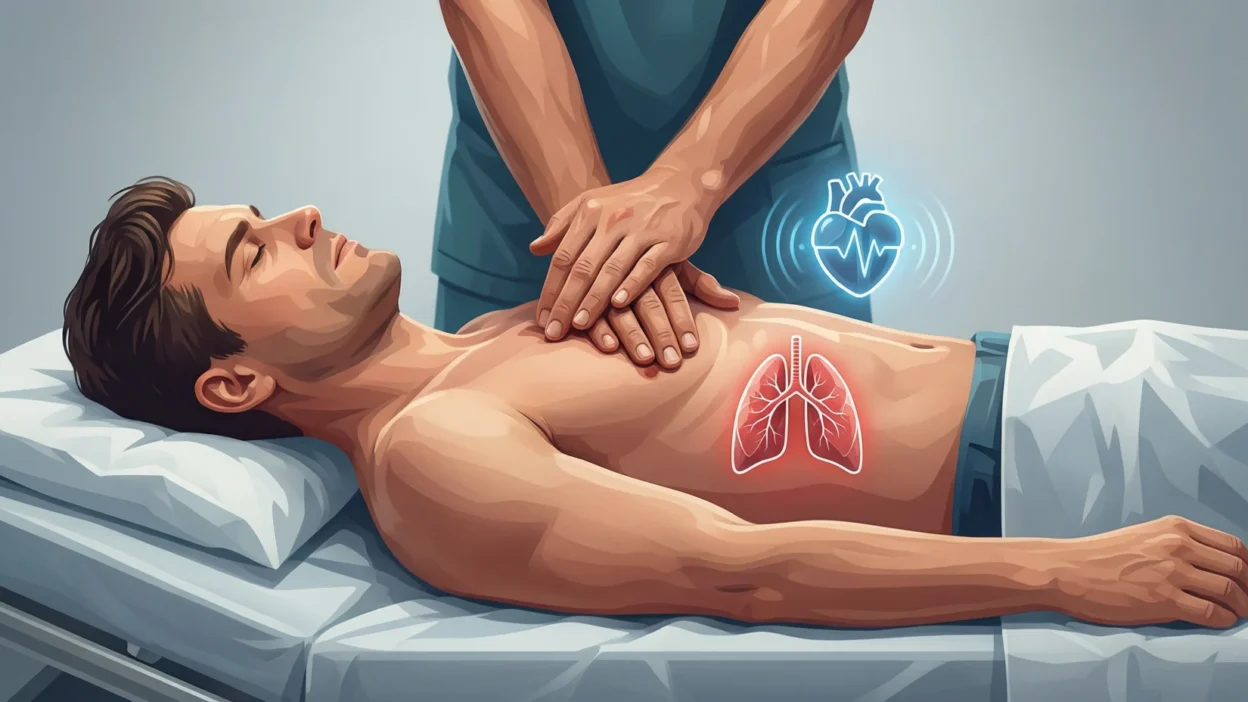
CPR is short for Cardiopulmonary Resuscitation.
In plain English, it means helping someone breathe and keep blood flowing when their heart stops or they stop breathing. It’s an emergency action used until medical help arrives.
People use the term CPR because the full name is long and hard to say quickly especially during emergencies, in training, or when talking online.
Why people say CPR instead of the full name:
- It’s faster to say and type
- It’s widely recognized
- It’s commonly taught using the abbreviation
Short example sentence:
“the operator asked if anyone nearby knew cpr.”
Bold summary: CPR means Cardiopulmonary Resuscitation, a lifesaving method used when someone’s heart or breathing has stopped.
Where Is CPR Commonly Used?
The term CPR shows up in many places, both online and offline. Unlike casual text slang, this is a serious and important abbreviation.
You’ll commonly see or hear it in:
- Text messages and group chats (during emergencies or discussions)
- Social media posts (news, safety tips, viral videos)
- Comments and DMs (asking for help or sharing experiences)
- Gaming or live streams (sometimes jokingly, but often referencing real life)
- Online forums (health, safety, parenting, or training discussions)
- Workplace or school training materials
Tone:
The tone of CPR is usually neutral to serious. It’s not playful slang. Even when used casually in chats, it still carries weight because it’s linked to saving lives.
Realistic Conversation Examples (How People Actually Use CPR)
Here are some natural, modern chat-style examples you might see online. These are written in lowercase to match real texting culture.
- “does anyone here know cpr? something just happened.”
- “that video was intense, thank god someone started cpr.”
- “i’m signing up for a cpr class this weekend.”
- “they asked over the speaker if anyone knew cpr.”
- “my boss wants everyone trained in cpr now.”
- “i froze, i wish i remembered my cpr training.”
- “always good to know cpr, you never know.”
- “the lifeguard did cpr until the ambulance came.”
These examples show how the term fits naturally into everyday digital conversations.
When to Use and When Not to Use CPR
Because CPR is tied to real emergencies, knowing when it’s appropriate matters.
✅ Do Use CPR When:
- Talking about medical emergencies
- Sharing news stories or real events
- Discussing first aid training
- Asking for help or knowledge
- Educating others about safety
❌ Don’t Use CPR When:
- Making jokes about serious situations
- Replacing unrelated slang or abbreviations
- Using it sarcastically in sensitive moments
- Writing formal medical instructions without explanation (for beginners)
Small Comparison Table
| Context | Example Phrase | Why It Works / Doesn’t |
|---|---|---|
| emergency chat | “does anyone know cpr?” | clear, urgent, appropriate |
| safety post | “learn cpr, it saves lives” | informative and helpful |
| joke comment | “this homework needs cpr lol” | disrespectful, poor taste |
| medical class | “cpr stands for cardiopulmonary resuscitation” | correct and educational |
Similar Terms and Related Alternatives
CPR isn’t slang, but it’s often mentioned alongside other emergency or medical terms. Here are a few related ones you might see online:
- First Aid Basic help given before professionals arrive
Used in general safety discussions - AED (Automated External Defibrillator) A device that helps restart the heart
Often mentioned with CPR training - Rescue Breathing Helping someone breathe manually
Part of CPR techniques - Chest Compressions Pressing on the chest to keep blood flowing
Core part of CPR - BLS (Basic Life Support) Professional level emergency care basics
Used in medical or training contexts
These terms are usually used in educational, professional, or serious conversations, not casual slang exchanges.
Frequently Asked Questions About CPR
1. What does CPR stand for in simple words?
CPR stands for Cardiopulmonary Resuscitation, which means helping someone breathe and keep their heart working during an emergency.
2. Is CPR a texting slang term?
No. CPR is not slang. It’s a real medical abbreviation, though people do use it in texts and online chats.
3. Is CPR formal or informal?
The term itself is neutral and professional, but it can be used in both formal settings (training, healthcare) and informal ones (texts, social media).
4. Who usually uses the term CPR?
Everyone—from doctors and teachers to parents, students, and everyday people—especially when talking about safety or emergencies.
5. Can CPR be used jokingly?
It shouldn’t be. Because CPR relates to life-or-death situations, joking use can come across as insensitive.
6. Do you need training to perform CPR?
Yes. While people may know the term, proper CPR requires training to be done safely and effectively.
7. Why is CPR talked about so much online?
Because awareness saves lives. Social media, videos, and posts help spread knowledge about CPR and encourage people to learn it.
Final Thought
So, what does CPR stand for? It stands for Cardiopulmonary Resuscitation, a powerful and lifesaving emergency procedure. While it may look like just another abbreviation in your feed or chat, its meaning is serious and important.
Knowing what CPR means and when it’s used helps you understand conversations, news, and safety discussions better. In a world full of fast texts and short forms, CPR is one term that truly matters.