You’re scrolling through social media, half reading comments, when you see it again: DEI. Someone mentions it in a post. Another person argues about it in the replies. A friend drops it into a group chat like everyone already knows what it means. You pause. You’ve seen the term before, but this time you wonder, “wait… what does DEI mean?”
If that sounds familiar, you’re not alone. DEI shows up everywhere online work posts, news threads, TikTok captions, and even casual chats. This guide breaks it down in the simplest way possible, so you can understand it fast and use it with confidence.
Quick Answer:
DEI means Diversity, Equity, and Inclusion an approach focused on fairness, representation, and belonging for all people.
What Does DEI Mean in Text and Online Conversations?
DEI stands for Diversity, Equity, and Inclusion.
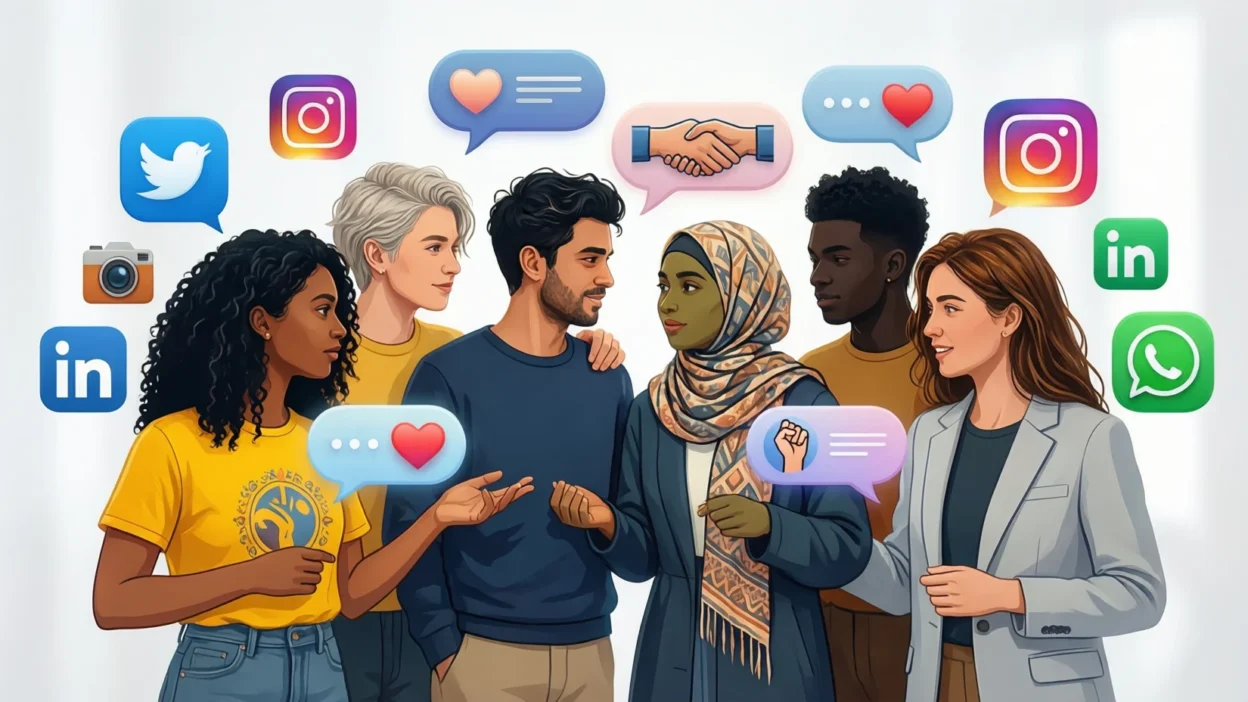
In plain English, it’s about making sure people from different backgrounds are represented, treated fairly, and feel welcome especially in workplaces, schools, online spaces, and organizations.
Here’s what each word means in simple terms:
- Diversity: Having different kinds of people (race, gender, age, culture, abilities, and more).
- Equity: Giving people what they need to succeed, not just treating everyone the same.
- Inclusion: Making sure everyone feels respected, heard, and valued.
People use DEI to talk about fairness and representation in modern society. Online, it often comes up in discussions about jobs, education, media, and company policies.
Example sentence:
“our company is investing more in dei training this year.”
Bold summary:
DEI means Diversity, Equity, and Inclusion creating fair, respectful spaces where everyone belongs.
Where Is DEI Commonly Used Online?
You’ll see DEI across many digital platforms, especially where social issues and work culture are discussed.
Common places DEI appears:
- Social media posts and comment sections (twitter/x, instagram, facebook)
- LinkedIn posts and professional discussions
- Workplace group chats and emails
- Online forums and community threads
- News articles and blog comments
- College or education-related spaces
Tone:
DEI is usually neutral to formal, but it can also appear in casual or informal chats depending on context. In texting or social media, it’s often shortened to just “dei” and used without explanation.
Realistic Conversation Examples Using DEI
Below are realistic, modern chat style examples showing how DEI appears in everyday online conversations:
- “did you see that post about dei policies at that company?”
- “our office just announced new dei training”
- “people are arguing about dei again in the comments”
- “she works in hr and focuses on dei stuff”
- “the brand got called out for ignoring dei”
- “i’m still learning what dei actually means tbh”
- “schools are adding more dei programs now”
- “that influencer talks a lot about dei and fairness”
- “some people misunderstand dei on purpose”
These examples show how naturally the term fits into modern texting culture.
When to Use DEI (and When Not to)
Knowing when to use DEI matters just as much as knowing what it means.
✅ When to Use DEI
- Talking about workplace culture or company values
- Discussing fairness, representation, or inclusion
- Referring to policies, programs, or training
- Engaging in social or educational discussions
- Writing posts, comments, or messages where context is clear
❌ When Not to Use DEI
- Casual chats with people unfamiliar with the term
- Situations needing emotional sensitivity (without explanation)
- As a joke or sarcastic remark
- Without understanding the meaning
- In places where clarity is more important than shorthand
Quick Comparison Table
| Context | Example Phrase | Why It Works / Doesn’t |
| Work chat | “we’re reviewing dei goals” | clear and professional |
| Social media | “this brand ignores dei” | common online usage |
| Family text | “dei is ruining everything” | vague and confusing |
| School essay | “dei matters in education” | acceptable with explanation |
Similar Terms or Alternatives to DEI
Sometimes DEI isn’t the best fit, or you may want a clearer or softer option. Here are common alternatives and what they mean:
| Term | Meaning | When to Use |
| Inclusion | Making everyone feel welcome | Casual or general talk |
| Equality | Treating everyone the same | Legal or moral discussions |
| Equity | Fair support based on needs | Education or policy talk |
| Representation | Visibility of different groups | Media and culture chats |
| Belonging | Feeling accepted | Emotional or community topics |
| Fairness | Just treatment | Simple explanations |
| Diversity | Different people and backgrounds | Broad discussions |
Using these terms can help avoid confusion, especially in informal chat or with younger audiences.
Why DEI Is Talked About So Much Online
DEI has become popular in texting and online chat because people care more about fairness and representation than ever before. Social media gives everyone a voice, and DEI is often used to explain or debate how society treats different groups.
It’s also short and easy to type, which makes it perfect for:
- Headlines
- Hashtags
- Comments
- Quick explanations
That’s why it feels like DEI suddenly appeared everywhere it fits perfectly into modern digital communication.
FAQs About What DEI Means
1. What does DEI mean in simple words?
DEI means diversity, equity, and inclusion, which is about fairness, respect, and making sure everyone belongs.
2. Is DEI a slang term?
No. DEI is not slang, but it’s often used casually in texting and social media.
3. Is DEI only used at work?
No. While common in workplaces, DEI is also used in schools, online discussions, media, and everyday conversations.
4. Do younger people use DEI?
Yes. Many younger users see DEI in social media, college spaces, and online activism.
5. Can DEI be misunderstood?
Yes. Some people use it without knowing the meaning, which can cause confusion or arguments.
6. Should I explain DEI when texting?
If the other person may not know the term, yes it’s helpful to explain it briefly.
7. Is DEI formal or casual?
It’s neutral, but can sound formal depending on context.
Final Thought
So, what does DEI mean? At its core, DEI stands for Diversity, Equity, and Inclusion a way to talk about fairness, representation, and belonging in today’s world. Whether you see it in a tweet, a work message, or a comment thread, understanding DEI helps you follow the conversation and join it confidently.
In modern texting culture, knowing terms like DEI isn’t just helpful it’s essential for clear, respectful communication.