Have you ever been scrolling through Instagram, Twitter, or TikTok and suddenly saw someone say, “slide into my DMs” or “check your DMs”, and felt a little lost? That exact thing happened to me last week when a friend messaged me, “hey, i’ll DM you later”.
I stared at my screen, wondering if this was some secret code I hadn’t cracked yet. It felt like everyone around me understood it, but I was completely confused. If you’ve ever had that “wait, what?” moment, don’t worry you’re not alone. Social media is full of shorthand, and DMS is one of the most common ones. Let’s break it down.
Quick Answer:
DMS means “Direct Messages,” which are private messages sent to someone on social media or messaging platforms.
What DMS Really Mean in Text
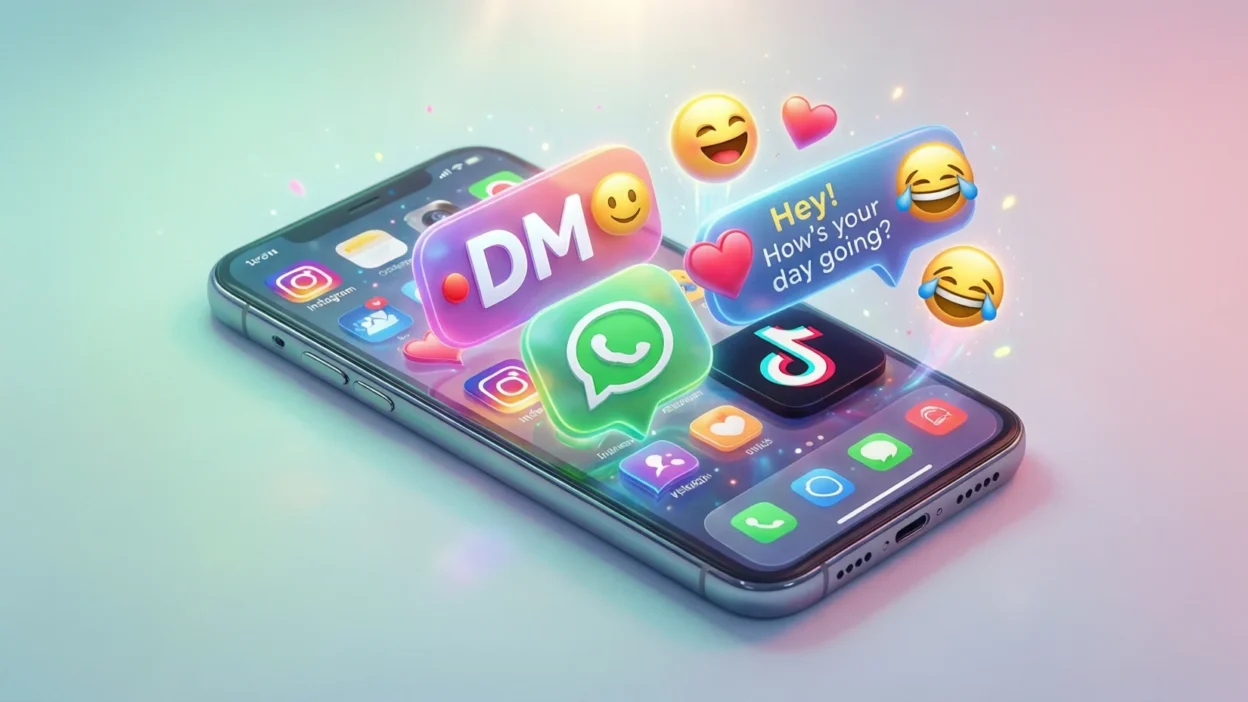
DMS is short for Direct Messages. Essentially, it’s a way to send a private message to someone without everyone else seeing it. Unlike a comment or post that’s public, a DM goes straight to the recipient. People use DMs to share personal messages, ask questions privately, or continue conversations away from the main feed.
Why people use it:
- To talk privately instead of in public comments.
- To send personal or sensitive information.
- To network, collaborate, or even flirt online.
Example:
- “hey! saw your post about the concert, just wanted to DM you the details.”
Summary:
DMS are private messages on social media used to chat one-on-one.
Where You’ll See DMS Online
DMS aren’t limited to one platform—they’re everywhere. Here’s where you’ll often encounter them:
- Instagram & Twitter: Casual and informal. Users say things like “slide into my DMs” to invite private chats.
- Facebook Messenger: Slightly more neutral but still conversational.
- Snapchat: Mostly casual, often for sharing photos or quick updates.
- Gaming chats (like Discord): Informal or neutral, used to coordinate gameplay or chat privately.
- Online forums and apps: Varies from informal to neutral, depending on the platform.
In all cases, the tone is mainly casual. Even on professional platforms like LinkedIn, sending a DM is less formal than an email but still polite.
Realistic Examples of DMS in Conversation
Here are some natural ways people actually use “DMs” in modern texting. Notice the lowercase style—very typical of casual online chats:
- hey, can u DM me the link?
- slide into my DMs if u wanna collab
- just DM’d u the pic from yesterday
- idk, maybe DM them instead of posting it here
- u should DM her about the meetup
- saw ur story, sending a quick DM
- DM me when u get home
- hella busy rn, can we DM later?
- slide in my DMs, no cap
- might DM u the address, check ur inbox
When to Use and When Not to Use DMS
Do’s:
- Use DMs for private conversations.
- Send sensitive info or personal requests.
- Reach out to someone politely instead of publicly tagging them.
Don’ts:
- Don’t spam someone with unwanted DMs.
- Avoid using DMs for official or legal matters.
- Don’t assume everyone checks DMs regularly.
| Context | Example Phrase | Why It Works / Doesn’t Work |
| Casual chat | “DM me the recipe!” | Works informal and friendly |
| Professional inquiry | “Please DM me the report.” | Works but may be better as email |
| Unsolicited message | “Hey, slide into my DMs 😏” | Doesn’t work if recipient doesn’t know you |
| Public criticism | “DM me if u wanna argue” | Doesn’t work tone seems aggressive |
Similar Slang Words and Alternatives
Here are some other popular online shorthand words similar to DMS:
| Slang | Meaning | When to Use |
| PM | Private Message | Mostly used in forums, slightly more formal |
| Inbox | A general term for messages | Casual, neutral |
| Chat | Text conversation | Informal, everyday use |
| Msg | Message | Quick shorthand, versatile |
| Slide | To send a private message, usually flirtatious | Casual, mostly social media |
| Text | SMS or mobile message | Neutral, everyday |
FAQs About DMS
1. What age group uses DMS the most?
Mostly teens and young adults, but anyone on social media can use them.
2. Is DM formal or casual?
It’s mostly casual, though tone can be neutral depending on the platform.
3. Can DMS be seen by others?
No, DMs are private and only the sender and receiver can see them.
4. Is DM the same across all social media?
Yes, it always refers to private messages, but features may differ slightly.
5. What does “slide into DMs” mean?
It means sending a private message, often to flirt or connect with someone.
6. Can DMs be used for professional purposes?
Yes, but email or official messaging platforms are usually better for formal communication.
7. Are there alternatives to DMs for messaging?
Yes, PM, inbox, chat, and texting are common alternatives.
Final Thought
Understanding what DMS mean is key to keeping up with today’s texting and social media culture. They’re private messages used for personal, casual, or sometimes professional conversations.
If you’re connecting with friends, networking, or sliding into someone’s inbox, knowing when and how to use DMs helps you communicate confidently online. Next time you see “DM me”, you’ll know exactly what to do and maybe even start using it yourself with ease.