
You might see the word import while reading the news, shopping online, studying for school, or even scrolling through business posts on social media. Someone might say, “this phone is imported,” or you may hear, “that decision is of great import.” At first, it can feel confusing because the word seems to change meaning depending on where you see it. Is it about products? Or importance?
If you’ve ever stopped and wondered what does import mean, this guide will explain it clearly, simply, and in a way that actually sticks.
Quick Answer:
Import means to bring goods, services, or ideas into a country, or it can mean that something is important or significant.
What Does “Import” Mean?
The word import has two main meanings, and context tells you which one is being used.
Meaning 1: Import (Trade & Products)
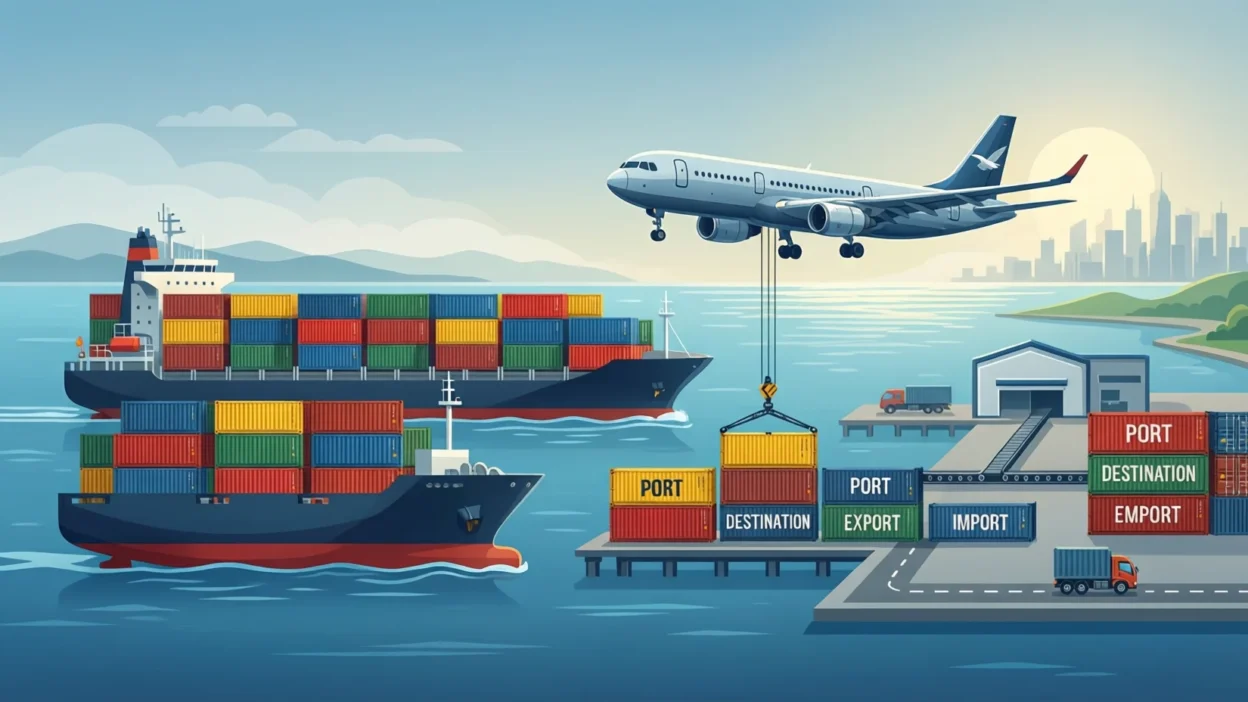
The most common meaning of import is bringing goods or services into one country from another country.
Plain-English Explanation:
If something is made in one country and brought into another to be sold or used, it is imported.
Simple Example:
“this car is imported from japan.”
Meaning 2: Import (Importance or Value)
Less commonly, import means importance, value, or significance, especially in formal or written language.
Plain-English Explanation:
When someone talks about the “import” of something, they mean how important it is.
Simple Example:
“the matter is of great import to the community.”
Bold Summary:
Import means either bringing something into a country or describing how important something is, depending on context.
Where Is “Import” Commonly Used?
The word import is used in both everyday conversation and more formal settings.
You’ll often see or hear it in:
- school textbooks and exams
- news articles and business reports
- online shopping descriptions
- social media posts about products
- text messages discussing prices or quality
- workplace or academic discussions
Tone of the Word
- Trade meaning: neutral, everyday
- Importance meaning: formal or serious
- Formality: neutral to formal
- Vibe: informational, professional
It’s not slang, but it’s very common in modern communication.
Realistic Conversation Examples (Modern Style)
Here are some simple, natural examples showing how people use import:
- “this watch is imported, that’s why it’s pricey”
- “we import most of our electronics”
- “the import tax made it expensive”
- “this issue is of major import”
- “they stopped importing cars last year”
- “quality feels better since it’s imported”
- “the import of education can’t be ignored”
These examples show both meanings clearly.
When to Use and When Not to Use “Import”
✅ When to Use It
- Talking about international trade or products
- Describing where goods come from
- Writing formally about importance or value
- In school, business, or news contexts
❌ When Not to Use It
- When you mean export (sending goods out)
- In casual slang conversations expecting informal tone
- When “important” would be clearer in simple speech
Comparison Table
| Context | Example Phrase | Why It Works / Doesn’t |
| shopping | “this bag is imported” | clear meaning |
| business | “we import raw materials” | correct usage |
| casual chat | “that’s import” | unclear |
| importance | “this is of great import” | formal but correct |
Similar Words and Alternatives
Here are common alternatives depending on the meaning you want:
If You Mean Bringing Goods In
| Word | Meaning | When to Use |
| bring in | informal import | casual talk |
| ship in | transport goods | logistics |
| purchase abroad | buy internationally | explanation |
If You Mean Importance
| Word | Meaning | When to Use |
| important | high value | everyday speech |
| significance | serious importance | formal writing |
| value | worth or impact | general use |
| priority | urgent importance | planning context |
FAQs About “Import”
1. What does import mean in simple words?
It means bringing something into a country or something being important.
2. Is import the opposite of export?
Yes. Import means bringing in, while export means sending out.
3. Is import a noun or a verb?
It can be both.
- Verb: “we import goods”
- Noun: “the import of the issue”
4. Is import used in everyday language?
Yes, especially when talking about products, prices, or trade.
5. Why are imported items more expensive?
Because of shipping costs, taxes, and customs duties.
6. Is the “importance” meaning still common?
It’s used less in casual speech but still common in formal writing.
Final Thought
So, what does import mean? In everyday use, it usually refers to bringing goods or services into a country. In more formal language, it can also describe how important something is.
Understanding the context makes the meaning clear every time. Whether you’re shopping online, studying, or reading the news, this word is a simple but powerful part of modern communication.