You’re scrolling through a group chat, half-awake, coffee in hand. Someone drops a link and quickly follows it with “nsfw 👀.” You pause. Do you tap it now? Do you wait? Do you ask what it means and risk sounding out of touch?
If you’ve ever seen NSFW in a text, comment, DM, or online post and felt unsure, you’re not alone. This small internet term pops up everywhere from social media feeds to work chats and knowing what it means can save you from awkward moments.
Quick Answer:
NSFW means “Not Safe For Work,” used to warn that content may be inappropriate to view in public or professional settings.
What Does NSFW Mean in Text?
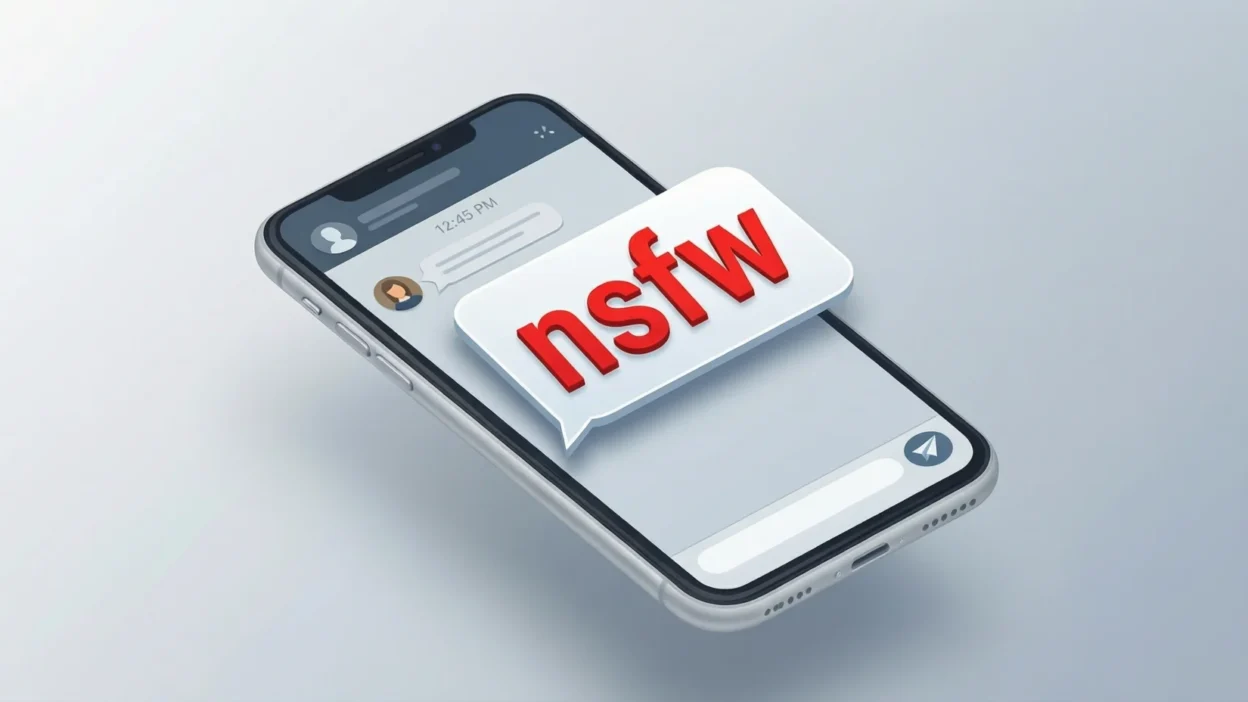
NSFW is an internet abbreviation that stands for “Not Safe For Work.”
In plain English, it’s a warning label. When someone uses NSFW, they’re letting you know that the content might include things you wouldn’t want your boss, coworkers, parents, or strangers to see over your shoulder.
This can include:
- sexual or suggestive content
- strong language
- graphic images or videos
- shocking or sensitive topics
People use NSFW to be polite and responsible. It gives others a heads-up so they can choose when and where to view something.
Example sentence:
“that video is nsfw, maybe watch it later.”
Bold summary:
NSFW means content that isn’t appropriate to view at work or in public spaces.
Where Is NSFW Commonly Used Online?
NSFW is a big part of texting culture and online chat meaning, especially where links, images, or videos are shared quickly.
You’ll commonly see it in:
- Text messages and group chats
- Social media platforms like Twitter/X, Reddit, Instagram, and TikTok
- Comments sections under posts or videos
- Direct messages (DMs)
- Gaming chats and Discord servers
- Online forums and communities
The tone of NSFW is casual and informal. It’s not slang you’d use in a formal email or professional document, but it fits perfectly in everyday digital conversations.
Realistic NSFW Conversation Examples
Here are some natural, modern examples you might see online. All are written in lowercase, just like real chats.
- “lol that meme is nsfw, don’t open it at work”
- “sending you a link but heads up, it’s nsfw”
- “reddit warned me this post was nsfw”
- “can’t believe you watched that nsfw video in public”
- “this thread gets kinda nsfw after the first comment”
- “marking it nsfw just in case”
- “i’ll explain later, it’s nsfw for text”
- “that profile is definitely nsfw”
These examples show how flexible and common the term is in informal chat.
When to Use NSFW (and When Not To)
Knowing when to use NSFW helps you communicate clearly and avoid awkward moments.
✅ Do Use NSFW When:
- sharing links with adult or graphic content
- posting images or videos that could shock people
- warning friends before opening something risky
- posting in public forums where people browse at work
❌ Don’t Use NSFW When:
- the content is harmless or family-friendly
- you’re in a formal or professional email
- explaining something serious that needs clarity
- talking to someone unfamiliar with internet slang
Quick Comparison Table
| Context | Example Phrase | Why It Works / Doesn’t |
| group chat | “nsfw link, open later” | gives a clear warning |
| work email | “this report is nsfw” | confusing and unprofessional |
| reddit post | “tagged nsfw for images” | follows platform norms |
| family chat | “nsfw joke incoming” | may feel awkward or unclear |
Similar Slang Words and Alternatives to NSFW
NSFW isn’t the only term people use in online chat and social media slang. Here are some common alternatives and what they mean.
Common Alternatives
- NSFL (Not Safe For Life):
Used for extremely disturbing or graphic content. Stronger than NSFW. - 18+ Content:
Signals adult-only material, often sexual. - Sensitive Content:
A softer warning, often used by platforms themselves. - Explicit:
Means clear adult language or visuals. - Trigger Warning (TW):
Alerts people to emotionally heavy topics like violence or trauma.
Simple Comparison Table
| Term | Meaning | When to Use |
| NSFW | not safe for work | general adult or graphic content |
| NSFL | very disturbing content | extreme images or videos |
| 18+ | adults only | age-restricted material |
| sensitive | potentially upsetting | broader audiences |
| trigger warning | emotional caution | mental health topics |
Why NSFW Matters in Texting Culture
In today’s fast moving digital world, people scroll everywhere offices, buses, cafes, classrooms. NSFW acts like a digital courtesy signal.
It helps:
- protect people from embarrassment
- respect different comfort levels
- build trust in online communities
- keep platforms user-friendly
Using NSFW shows you understand modern internet etiquette and care about how others experience shared content.
FAQs About NSFW Meaning and Usage
1. Does NSFW always mean sexual content?
No. While sexual content is common, NSFW can also mean violence, graphic images, or strong language.
2. Is NSFW slang or an official term?
It started as internet slang but is now widely recognized and even used by major platforms.
3. Can NSFW be used on social media?
Yes. Platforms like Reddit, Twitter/X, and Discord regularly use NSFW tags.
4. Is NSFW okay for teenagers?
Teenagers may know the term, but the content it warns about is usually meant for adults.
5. Is NSFW formal or informal?
NSFW is informal and best used in casual chats, not professional communication.
6. What’s the difference between NSFW and 18+?
NSFW is about viewing context (work/public), while 18+ focuses on age restriction.
7. Can text messages be NSFW?
Yes. Even words alone can be NSFW if they include explicit language or topics.
Final Thought
So, what does NSFW mean? It’s a simple but powerful warning that helps people navigate modern digital spaces safely.
Whether you’re texting friends, scrolling social media, or browsing online forums, understanding NSFW keeps you informed, respectful, and a little less awkward in public. In today’s always-online world, that tiny abbreviation goes a long way.