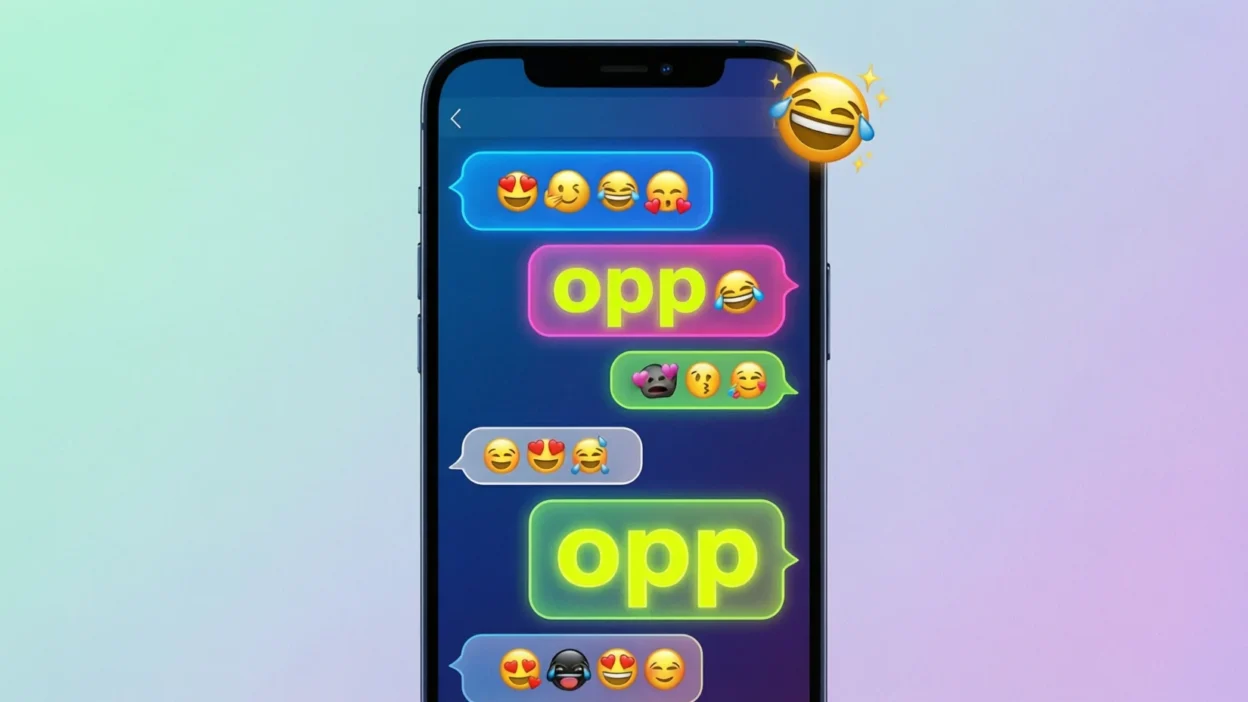
You’re scrolling through comments or reading a group chat when someone drops a message like, “nah, that’s my opp”. You pause for a second. Is it short for opportunity? Opposition? Something else? You’ve probably seen opp on TikTok, Instagram, Twitter (X), or even in gaming chats, and it feels like everyone knows what it means except you.
Don’t worry that moment of confusion is super common. Slang moves fast online, and words can change meaning depending on context. Let’s break it down simply so you’ll never feel lost again when you see opp pop up in a text or comment.
Quick Answer:
Opp is slang short for opponent or enemy, usually meaning someone you don’t like, don’t trust, or are in conflict with.
What Does Opp Mean in Text?
Full form: Opponent
Slang meaning: An enemy, rival, or someone you’re against
In plain English, opp is a casual slang word people use to describe someone who is on the “other side.” It can mean a serious enemy, a rival, or just someone you don’t mess with. The word comes from street slang and hip-hop culture, but it has spread widely through social media and texting culture.
People use opp because it’s short, fast, and fits perfectly into informal chat. Instead of saying “that person I’m beefing with” or “someone who’s against me,” they just say opp.
Short example sentence:
“i can’t trust him, he’s an opp.”
Bold summary:
Opp means an enemy or rival someone you’re against or don’t trust.
Where Is the Term Opp Commonly Used?
You’ll mostly see opp in casual and informal online spaces. It’s not a word you’d use in professional emails or school essays.
Common places you’ll see opp include:
- Text messages between friends
- Social media comments (TikTok, Instagram, Twitter/X)
- DMs and group chats
- Gaming chats when talking about rivals
- Online forums and meme pages
The tone is almost always casual and informal. Sometimes it’s playful, but other times it can sound serious or aggressive depending on the context.
Realistic Conversation Examples Using “Opp”
Here are some natural, modern examples you might actually see online. All are written in lowercase, just like real chats.
- “nah i blocked him, he’s an opp now”
- “why you liking your opp’s post 😭”
- “anyone who hates on you is an opp fr”
- “that team beat us last round, they my opps”
- “don’t invite her, she been acting like an opp”
- “he switched sides so fast, instant opp”
- “you can’t trust everyone, some people are lowkey opps”
- “we cool for now, but he still feels like an opp”
- “online beef turns friends into opps real quick”
When to Use and When Not to Use Opp
Like most slang, opp works well in some situations and badly in others. Knowing the difference matters.
✅ When to Use “Opp”
- Talking casually with friends
- Joking about rivals or drama
- Referring to enemies in games or sports
- Using slang in comments or DMs
❌ When NOT to Use “Opp”
- In school assignments or work emails
- With people who don’t understand slang
- In serious or professional conversations
- When it could cause conflict or misunderstanding
Quick Comparison Table
| Context | Example Phrase | Why It Works / Doesn’t |
|---|---|---|
| group chat | “he acting like an opp lately” | casual slang fits the vibe |
| gaming chat | “watch out, they’re our opps” | common in competitive talk |
| work email | “my opp disagrees with me” | too informal and confusing |
| school essay | “the main opp in history” | slang doesn’t belong in formal writing |
Similar Slang Words or Alternatives
Here are some other slang terms that are close to opp, along with when to use them.
| Slang Word | Meaning | When to Use |
|---|---|---|
| enemy | someone against you | neutral, more general |
| rival | competitive opponent | sports, games, school |
| hater | someone who dislikes you | social media drama |
| ops | plural form of opp | talking about multiple enemies |
| fake | someone not real or loyal | casual chats |
| snake | someone who betrays you | gossip or drama |
| opps fr | serious enemies | stronger tone, slang heavy |
Each word has its own vibe, but opp is one of the most popular in modern texting culture.
Frequently Asked Questions About Opp
1. Does opp always mean enemy?
Most of the time, yes. It usually means an enemy, rival, or someone you’re against. Sometimes it’s used jokingly, but the core meaning stays the same.
2. Is opp a bad word?
Not exactly. It’s slang, not a curse word. But it can sound aggressive depending on how it’s used.
3. Can opp mean opportunity?
In slang and texting, no. While “opp” can be short for opportunity in business writing, online slang almost always means opponent or enemy.
4. Who usually uses the word opp?
It’s most common among teens, young adults, gamers, and social-media users. It’s especially popular in hip-hop and online culture.
5. Is opp used on TikTok and Instagram?
Yes, very often. You’ll see it in comments, captions, and memes across most social platforms.
6. Can opp be used as a joke?
Yes. Friends sometimes jokingly call each other opps during playful arguments or competitions.
7. What’s the plural of opp?
The plural form is opps, meaning multiple enemies or rivals.
Final Thought
So, what does opp mean? In simple terms, it’s modern slang for an enemy or rival, someone you’re against or don’t trust. It’s short, casual, and fits perfectly into today’s fast moving texting and social media culture.
Knowing this word helps you understand online conversations better and keeps you from feeling left out. Just remember it’s informal slang, so use it wisely and in the right setting.