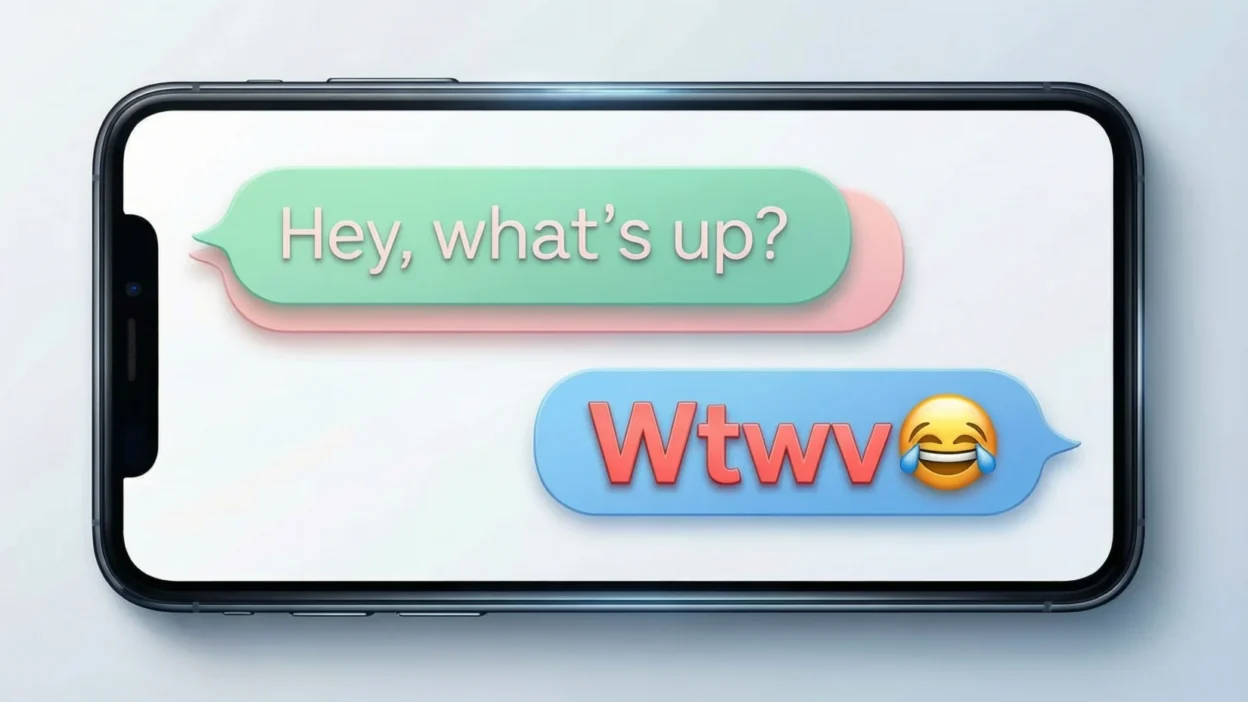
The first time I saw “wtv” in a text, I paused. The message was short. No explanation. Just “wtv.”
At first, I wondered if it was a typo or some new internet code I had missed. Was it rude? Was it lazy? Or was it just another piece of modern texting slang?
If you spend time on social media, in group chats, or scrolling through comments, you’ve probably seen wtv pop up a lot. It’s quick, casual, and very online. But what does it really mean, and how should you use it without sounding off?
Let’s break it down in simple terms.
Quick Answer
WTV means “whatever” and is used in casual texting to show indifference, flexibility, or mild dismissal.
What Does WTV Mean in Text?
WTV is a shortened slang version of the word “whatever.”
Full Form
- WTV = Whatever
Plain-English Meaning
When someone says wtv, they usually mean:
- “I don’t really care”
- “I’m fine with anything”
- “Do what you want”
The tone depends on the situation. It can sound relaxed and easygoing, or slightly annoyed and dismissive.
Why People Use It
People use wtv because:
- It’s fast to type
- It fits casual online chats
- It matches the relaxed style of texting culture
Short Example
“pizza or burgers, wtv you want”
Bold Summary:
WTV means “whatever” and shows indifference, flexibility, or casual acceptance in informal chats.
Where Is WTV Commonly Used?
You’ll mostly see wtv in informal digital spaces. It’s part of everyday online slang and chat shorthand.
Common Places You’ll See It
- Text messages with friends
- Social media comments (Instagram, TikTok, X)
- DMs on apps like Snapchat or WhatsApp
- Gaming chats and Discord servers
- Online forums and casual replies
Tone and Style
- Tone: casual, informal
- Formality level: very low
- Not suitable for: emails, school work, or professional messages
In short, wtv belongs to relaxed conversations, not serious or formal ones.
Realistic Conversation Examples (Lowercase)
Here are some natural, modern chat-style examples showing how people really use wtv online:
- “we can watch a movie or a show, wtv”
- “idk, wtv makes you happy”
- “he didn’t reply, wtv”
- “blue or black hoodie? wtv”
- “i already explained it, wtv”
- “meet at 6 or 7, wtv works”
- “she was mad but wtv”
- “if you don’t wanna come, wtv”
- “i’m tired of arguing, wtv”
Notice how the meaning shifts slightly based on context. Sometimes it’s calm. Sometimes it’s a little annoyed.
When to Use and When Not to Use WTV
Using wtv the right way matters. It can sound friendly or careless depending on timing.
✅ When to Use WTV (Do)
- chatting with close friends
- casual group chats
- showing flexibility about plans
- ending a minor discussion
- relaxed online conversations
❌ When NOT to Use WTV (Don’t)
- talking to teachers or bosses
- professional emails or messages
- serious emotional conversations
- when someone needs empathy
- formal writing or posts
Small Comparison Table
| Context | Example Phrase | Why It Works / Doesn’t Work |
| friend chat | “we can go later, wtv” | sounds relaxed and flexible |
| group plans | “wtv you decide” | shows openness |
| work email | “wtv is fine” | sounds careless and unprofessional |
| serious talk | “wtv” | may feel rude or dismissive |
Similar Slang Words and Alternatives
Sometimes wtv isn’t the best fit. Here are common alternatives and when to use them.
Common Alternatives
- idc (i don’t care)
More direct than wtv. Can sound blunt. - np (no problem)
Positive and polite. Better tone. - up to you
Clear and respectful. Great for plans. - doesn’t matter
Neutral and calm. Less slangy. - fine by me
Friendly and flexible. - meh
Shows low interest, often playful.
Simple Comparison Table
| Slang | Meaning | Best Use |
| wtv | whatever | casual chats |
| idc | i don’t care | very informal |
| up to you | your choice | polite flexibility |
| fine by me | i’m okay with it | friendly tone |
| meh | low interest | playful reactions |
Frequently Asked Questions (FAQs)
1. Is wtv rude?
Not always. WTV can sound rude if used during serious conversations, but with friends it’s usually casual and harmless.
2. Do teens use wtv a lot?
Yes. Teenagers and young adults commonly use wtv in texting, social media slang, and online chats.
3. Can wtv mean anger?
Sometimes. If someone replies with just “wtv,” it can show mild frustration or annoyance, depending on context.
4. Is wtv the same as whatever?
Yes. WTV is simply the shortened texting version of “whatever.”
5. Should I use wtv in school or work?
No. It’s best to avoid wtv in formal or professional settings.
6. Is wtv used on social media?
Absolutely. You’ll see it in comments, captions, DMs, and replies across platforms.
7. Can wtv be misunderstood?
Yes. Tone doesn’t always translate well in text, so wtv may sound colder than intended.
Final Thought
WTV is a small word with a big presence in modern texting culture. It means “whatever”, and it’s used to show flexibility, indifference, or casual acceptance. When used with friends, it feels natural and relaxed. But in serious or professional situations, it can come across as careless or dismissive.
Understanding how and when to use wtv helps you communicate better online and avoid awkward misunderstandings. Like most social media slang, context is everything.